
Step off the ferry at Mends Street Jetty, cross the South Perth foreshore, and you’re a short walk from the zoo entrance. There’s water behind you, the Swan River still visible through the trees, and you’ve reached one of Australia’s significant zoos without a car or a bus ride. It’s a small thing, but it changes the day: arriving by water rather than filing into a car park sets a different tone before you’ve even bought a ticket.
Perth Zoo is one of Australia’s older zoos, opened on 17 October 1898, and today covers 17 hectares with more than 160 species and well over a thousand animals. It’s also a conservation and breeding facility, not just a display: admission revenue supports species recovery programs, and several of the animals here are part of international and national breeding efforts for threatened species.
Who It Suits
Families wanting a reliable half or full-day outing, first-time visitors to Perth who want a broad wildlife experience without a long drive, and anyone who’d rather arrive somewhere by boat than by car park. It’s less suited to a rushed itinerary; doing the zoo justice takes three to five hours, so it doesn’t slot neatly into a half-day alongside two or three other attractions.
What’s Actually Here
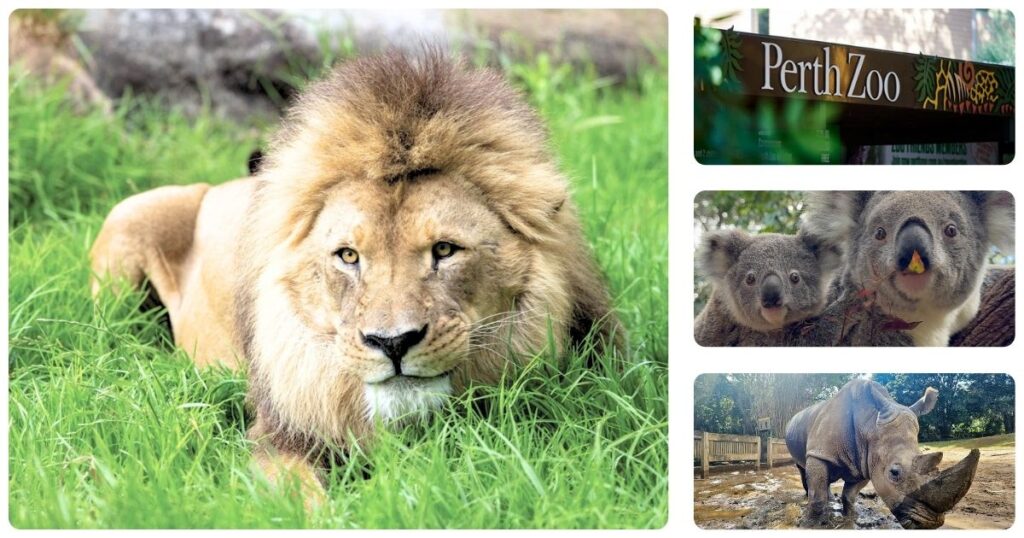
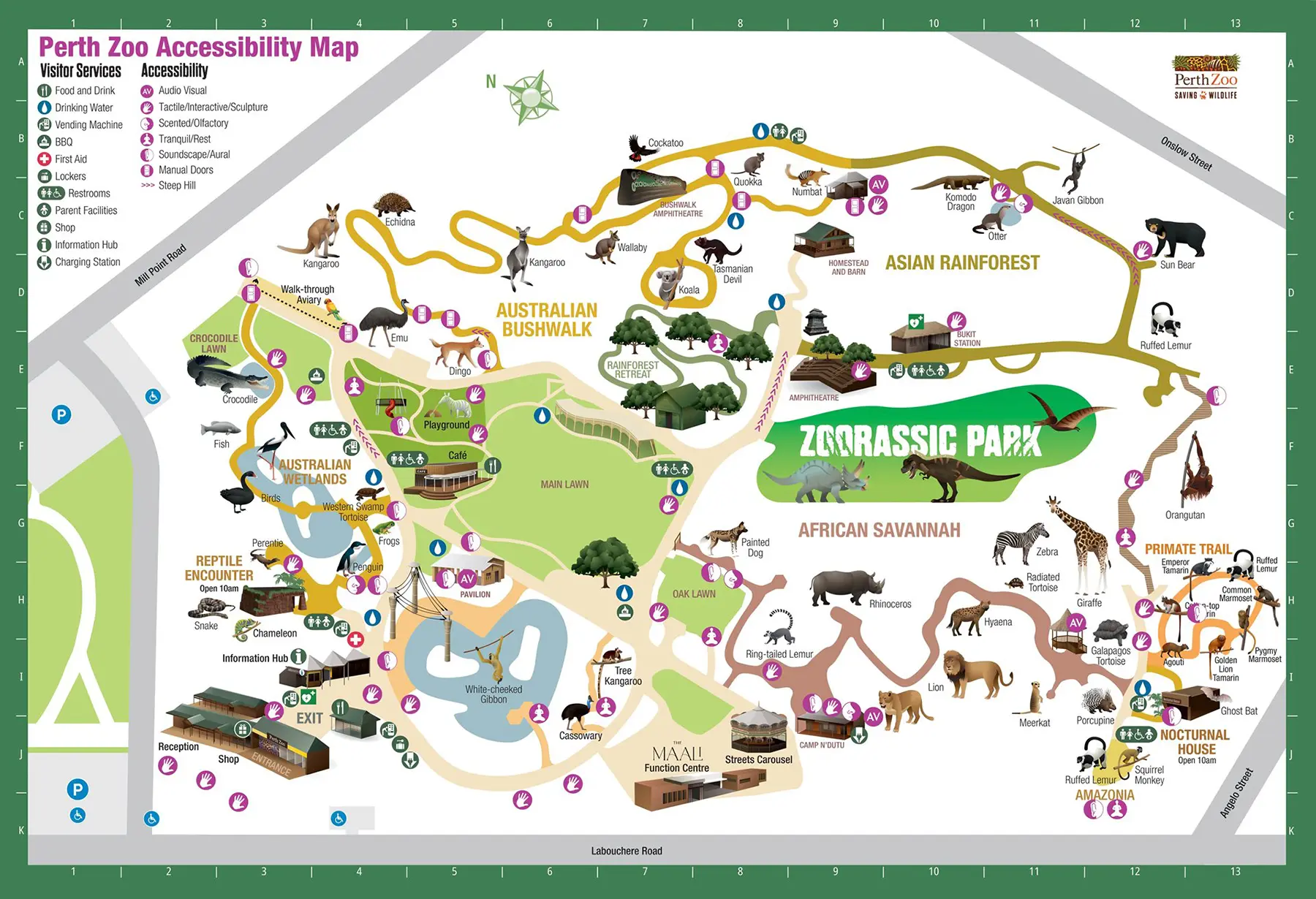
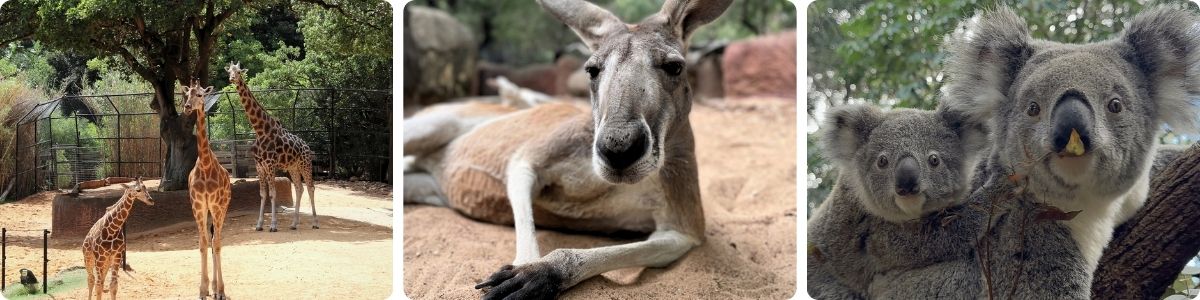
The zoo is organised into themed zones. The Australian Bushwalk area covers native WA and Australian wildlife: kangaroos, koalas, wombats, native birds and reptiles, and it’s a sensible starting point if you want context for what’s local before moving on to the international collections. The African Savannah area holds lions, zebras, giraffes and other savannah species in large, open enclosures built for both the animals and decent sightlines. The Asian Rainforest zone, humid and densely planted, houses primates and big cats and is a pleasant escape from the heat on a hot day, if occasionally crowded for the same reason.
Keeper talks run throughout the day at scheduled times (check the printed map or zoo app on arrival), free with admission, and are consistently one of the better ways to learn something beyond what’s on the signage. Paid add-on experiences, including giraffe feeding, close encounters with rhinos and other animals, and reptile handling, run separately from general admission; current options and pricing are listed at perthzoo.wa.gov.au, and they typically need booking ahead rather than turning up on the day.
The Ferry, and Why It’s Worth Planning Around
Transperth runs a regular ferry service between Elizabeth Quay Jetty in the CBD and Mends Street Jetty in South Perth (Elizabeth Quay Jetty replaced the older Barrack Street Jetty on this route), roughly every 15 to 30 minutes through the day, with the crossing itself taking about 8 to 10 minutes. It’s covered by a standard Transperth fare, not a separate tourist charge, and from Mends Street it’s a short walk, about 500 metres along the foreshore, to the zoo entrance. Compared with driving and finding parking, it’s the nicer way to arrive, and it turns the trip into more of a river outing than a straightforward zoo visit.
If you’d rather not rely on the ferry timetable, bus routes 30 and 31 run between Elizabeth Quay Bus Station and South Perth roughly every 30 minutes daily, stopping close to the zoo entrance. South Perth train station is also about a 12-minute walk from the zoo and serves all Perth lines.
Driving is straightforward too, with on-site paid parking ($8 for the whole day), though it can fill on weekends and school holidays.
When to Go
Arrive close to the 9:30am opening if you can. Animals are more active in the cooler part of the day, crowds are thinner, and the light is better for photos. Weekday visits, particularly Tuesday to Thursday outside school holidays, are noticeably quieter than weekends.
Spring and autumn offer the most comfortable walking conditions and the most active animals; Perth’s summer heat (regularly into the mid-30s and higher) pushes many animals into shaded or indoor areas during the middle of the day, so an early or late visit works better in summer than a midday one. Winter is mild by comparison and rarely a problem, though you might see a bit less animal activity on cold, grey days.
Practical Details
General admission is currently around $33 for adults, with separate child, concession and family pricing; confirm current rates at perthzoo.wa.gov.au, since zoo admission pricing is reviewed periodically.
If you’re planning multiple visits in a year, a Zoo Friends membership is worth comparing against the cost of two or three single-visit tickets, since it often works out cheaper.
The zoo is open daily, generally from 9:30am to 5pm, though it’s worth checking for seasonal variations before you go.
Pathways are paved and largely level, wheelchair hire is available on-site, and accessible toilets are provided throughout; call the zoo on (08) 9474 0444 ahead of your visit if you have specific accessibility needs.
Here’s my big tip, plan your eating for before and after the zoo visit and pack your own food for a lunch or snacks and bottled drinks. The food onsite is both hit and miss, and expensive. There are free water stations throughout the zoo. The zoo currently has four food/drink outlets and its important to note they only accept card for payments.
- Wagtails – Sandwiches, baguettes, hot family meals, salad bowls, baked treats, snacks, cold drinks. Example prices: Sandwich: $10; Sweet Chill Chicken Wrap: $14; Zoo Cheeseburger: $18; Coffee: $7.90
- Habitat – Sit-down meals; contemporary café/restaurant – Example prices: Habitat beef burger + chips $29; Falafel burger + chips $27; Charred barramundi burger + chips $28; Battered fish & chips $31
- Gatekeeper – Coffee, ice cream, cold drinks; breakfast items
- Distil & Brew – Barista coffee, wine, locally brewed craft beer and other drinks
Thankfully, you can bring your own food and use the designated picnic areas, which is the better option if you’re travelling with a family on a budget. If you do plan to eat on-site, aim for an early or late lunch outside the 12:30 to 2pm rush to avoid the longest queues.
What Locals Know
Perth families with young kids tend to treat the zoo as a regular, repeat destination rather than a once-off outing, which is why annual memberships are popular here rather than a niche upsell; if you live locally and think you’ll visit more than twice a year, the membership math usually works in your favour. Regulars also know to check the keeper talk schedule on arrival and build the day around two or three talks rather than wandering randomly, since the talks are consistently rated as the highlight by repeat visitors.
The ferry is well known to South Perth locals as a pleasant, cheap alternative to driving, and on warm afternoons plenty of people take it purely for the river crossing rather than the zoo itself. One recurring frustration raised by visitors is that the main restaurant gets busy over the traditional lunch window on weekends, so packing a picnic is a common local workaround rather than fighting the queue.
Combine With
The South Perth foreshore is immediately adjacent, with walking paths and river views worth 20 to 30 minutes either side of your zoo visit. Elizabeth Quay, at the CBD end of the ferry crossing, has restaurants and waterfront dining if you want coffee before you head over or dinner once you’re back. Kings Park is roughly 2km away, walkable but not adjacent; combining the two properly needs a full day rather than a rushed add-on.
Is It Worth It?
Yes, and the ferry crossing adds to it rather than being a gimmick. Perth Zoo delivers a solid, well-run day out with real conservation credentials behind it, not just an animal-viewing experience. Budget three to five hours, go early in the day, and take the ferry at least one way if your schedule allows it.
Frequently Asked Questions
How long should I spend at Perth Zoo?
Three to five hours covers the zoo comfortably. Allow longer if you’re catching several keeper talks or doing a paid animal encounter.
Can I get there without a car?
Yes. The Transperth ferry from Elizabeth Quay Jetty to Mends Street Jetty (about 8 to 10 minutes, standard fare) is the most distinctive option, followed by a short walk to the zoo. Bus routes 30 and 31 from Elizabeth Quay Bus Station, and South Perth train station, are also within easy reach.
What’s the best time to visit?
As close to the 9:30am opening as you can manage, on a weekday outside school holidays if possible, and in spring or autumn for the most comfortable conditions.
Can I bring my own food?
Yes, picnic areas are provided, and it’s a common way to avoid the busiest restaurant queues around lunchtime.
Are there keeper talks every day?
Yes, running on a published daily schedule, free with admission. Check the map on arrival for times.
Is the zoo accessible for wheelchairs and prams?
Largely yes, with paved and mostly level pathways, wheelchair hire on-site, and accessible toilets throughout. Call ahead for specific accessibility planning.
How much does entry cost?
General admission is currently around $33 for adults, with child, concession and family pricing available. Confirm current rates at perthzoo.wa.gov.au before your visit.
The Close
Perth Zoo works because it does the fundamentals well: a good, conservation-backed animal collection, well-run keeper talks, and enough variety to fill a real day out. The ferry crossing is what elevates it from a solid zoo visit to something a bit more memorable, a short trip across the Swan River that turns “we went to the zoo” into an actual outing. Go early, take the boat if you can, and budget the whole afternoon.