
Rottnest Island (Wadjemup): Quokkas, Pristine Beaches & No Cars
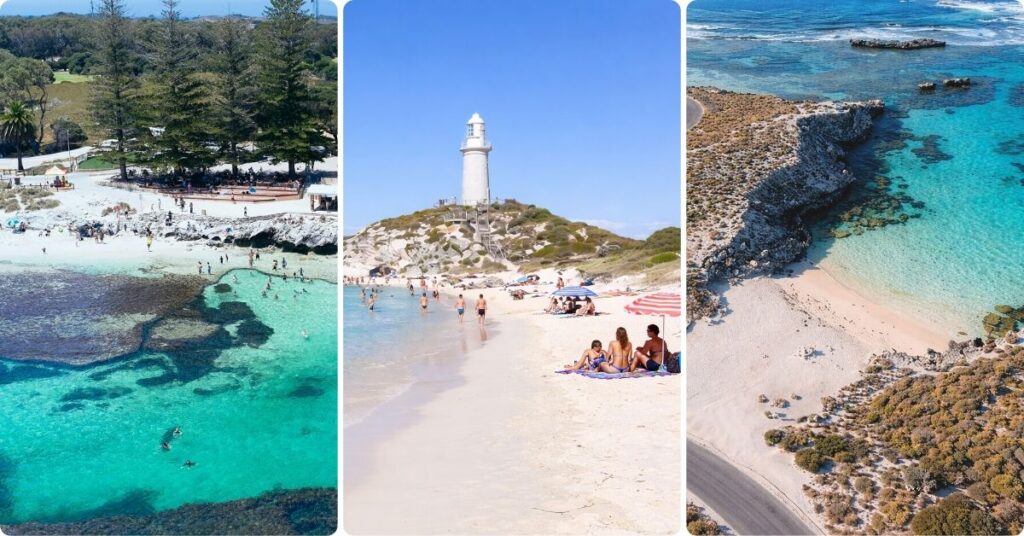
You’re standing on a car-free island 19 kilometres offshore from Perth. The water is turquoise. The sand is white. And there’s a small marsupial with what looks like a permanent smile standing three metres away, clearly indifferent to your presence.
Welcome to Rottnest Island. Or Wadjemup, as the Whadjuk Noongar people—the original custodians of this island—know it. The name roughly translates to “place across the water where the spirits are.”
Rottnest Island is Perth’s iconic destination. Over 8,900 Google reviews, 4.6-star rating, and it’s easy to see why. The island delivers on three distinct levels: the novelty (quokkas and their photogenic “smile”), the experience (63 beaches, world-class snorkelling, absolute absence of cars), and the geography (surprisingly close to Perth, but genuinely isolated when you arrive).
Most visitors arrive as day-trippers. Many return for overnight stays. A significant portion return repeatedly, building Rottnest into their annual rhythm.
Why Rottnest Works: The Car-Free Advantage
No cars. This single feature reshapes the entire island experience. You arrive by ferry, step onto a car-free island, and immediately feel the difference. No engine noise. No parking anxiety. No traffic. No carbon footprint for your transport beyond the ferry.
You move by bike (rental available on the island, typically $25–35 per day), by shuttle bus (circular island route with stops at major beaches), or on foot. The infrastructure is designed around this. Paths are clear. Facilities are distributed so nothing feels isolated. Distances are manageable for a mix of ages and fitness levels.
This car-free design does something else: it slows you down. You notice things. The angle of light on the water. The vegetation. The other visitors. The quokkas. It’s genuinely different from mainland beach experiences.
The Quokkas: The Selfie That Earned Its Reputation
Quokkas are small marsupials found only on Rottnest Island (and a couple of small satellite islands off the WA coast). Over 10,000 live on Rottnest. They’re roughly the size of a large rabbit—30–50 centimetres long, weighing 2.5–5kg. They’re herbivorous, social, and apparently smiling.
The “quokka selfie” is a genuine global trend. Visitors pose with quokkas, the marsupials’ rounded faces look happy, Instagram fills with the photos, and the trend loops. It’s worked. Quokka selfies have become associated with Rottnest island experiences worldwide.
Here’s the reality: quokkas are real, they’re present throughout the island, and they are genuinely indifferent to human presence. They’re not aggressive. They’re not fed (it’s illegal and unhealthy for them). They’re just there. Early morning (6:00–8:00am) and late afternoon (4:00–6:00pm) are best for viewing—they’re most active during cooler hours.
If quokka encounters are your core goal, book a guided Quokka Seeker Tour. These operate from the settlement and guarantee sightings with photography coaching. Around $45–60 per person.
The Beaches: 63 Options, Different for Every Mood
Rottnest Island has 63 beaches across multiple bays. Rather than trying to hit all of them, pick a strategy based on what you want.
The Basin (family standard): The most sheltered, most popular, most family-friendly beach on the island. Clear water, shallow entry, minimal swell. This is your “I want a reliable beach experience” choice. It’s crowded during peak times but genuinely excellent.
Pinky Beach (snorkelling paradise): Rottnest’s premier snorkelling beach. Coral gardens, fish diversity, clear water, and reasonable depth. Plan 2–3 hours here if snorkelling is your mission.
Little Salmon Bay (scenic and quieter): Beautiful, sheltered bay with excellent swimming and snorkelling. Far enough from the settlement that crowds thin significantly. Bike ride required (approximately 8km from settlement).
Longreach Bay (wave-watchers): Exposed to swell, suitable for more experienced swimmers and surfers. Less sheltered but stunningly scenic.
West End Beaches (surfers): Multiple beaches on the island’s western edge with better swell conditions.
Strickland Bay (adventurous swimmers): Deep water, scenic, less crowded. Suitable for confident swimmers.
The strategy: first-time visitors should anchor on The Basin or Pinky Beach. Second-time visitors can branch to Little Salmon Bay or other less-frequented bays.
Snorkelling: World-Class Access
Rottnest Island is one of Australia’s premier snorkelling destinations. Multiple bays offer excellent snorkelling with minimal gear investment or experience required.
Pinky Beach is the standout. Visibility is typically 8–12 metres. Fish diversity includes parrotfish, wrasses, emperors, and other temperate reef species. Coral gardens are visible from the shallows (1–3 metres). Many visitors snorkel just metres from shore.
Bring your own snorkel gear (cheaper than rental) or hire on the island ($20–25 for basic mask/snorkel/fins). Wetsuits are recommended even in summer—water stays cool year-round due to ocean currents.
Safety: Snorkel with a buddy. Respect marine life. Don’t stand on coral. Check swell and weather before entering the water. The island has a medical centre if needed.
Day Trip vs. Overnight: The Strategy Question
Day trip (most common): Depart Fremantle 7:00am, arrive Rottnest 7:30am, depart island 4:00pm–5:00pm, arrive Fremantle 5:00pm–5:30pm. Gives you 8–9 hours on the island. Enough time for beach swimming, light snorkelling, playground exploration, café lunch, and quokka spotting.
Day-trip visitors typically focus on The Basin, a snorkel or swim session, lunch at the settlement, and one secondary activity (guided tour, playground, or quiet beach walk).
Overnight (increasingly popular): Arrive mid-morning, full afternoon on the island, overnight accommodation, full next day, depart late afternoon. Allows two full beach days, more extensive snorkelling, wildlife tours, and the experience of the island at dusk and dawn (when quokka activity peaks).
Accommodation ranges from camping ($40–80 per night per site) to holiday cottages ($200–500 per night) to resorts ($150–350 per night for standard rooms). Book through Rottnest Island Authority website (www.rottnestisland.com).
Ferry Logistics: Three Operators, Multiple Departure Points
Three ferry operators run regular services. Costs vary slightly; frequency is reliable.
From Fremantle (fastest): 25–30 minutes, multiple departures daily. Most accessible for Perth visitors without a car. Fremantle has parkland, shops, and cafés if you arrive early.
From Hillarys Boat Harbour: 45 minutes, multiple departures. Good option if you’re on Perth’s north side. Hillarys has shops and a food court.
From Perth Elizabeth Quay: 90 minutes, daily service. Slowest but departs from central Perth. Useful if you’re without a vehicle or prefer city departure.
Ferry costs: Approximately $45–55 return per adult (prices vary by operator and advance booking). Children and seniors typically get discounts.
Booking: Book online in advance, especially for weekends and school holidays. Walk-up availability exists but may mean waiting for later ferries.
Bike Strategy & Getting Around
Bike rental is essential for most visitors. Cost is approximately $25–35 per day depending on bike type. Available from multiple rental shops in the settlement.
The island has 63km of sealed paths. Distances are manageable—furthest point from settlement is roughly 12km by bike. Most visitors rent bikes for the full day and cycle to 2–3 beaches.
Realistic bike routing (full day): Settlement → The Basin (30 mins total including time on beach) → Pinky Beach (60 mins bike + beach time) → Lunch at settlement (45 mins) → Quiet beach exploration (60 mins) → Return to settlement (30 mins). Full day covers multiple beaches and genuine experiences.
Alternatively, use the shuttle bus (circular route) for one leg and bike for another, mixing activity levels.
Dining & Facilities
Settlement dining: Multiple cafés and restaurants range from casual to fine dining. Expect Perth prices ($18–30 for casual mains, $35–55 for restaurant dining).
Groceries: Small supermarket at settlement. Bring supplies from the mainland if you prefer budget options or specific dietary needs.
Facilities: Toilets throughout the island, hot showers at beaches and settlement, changerooms, first aid facility, medical centre, petrol station (electric bike charging available).
Accessibility: Paths to The Basin and main facilities are wheelchair/mobility-accessible. Some beaches and remote areas are not.
Indigenous Heritage: The Deeper Story
Wadjemup holds profound cultural significance to Whadjuk Noongar people. The island has heritage sites reflecting thousands of years of Aboriginal connection to the land. Guided heritage tours are available and recommended—they add layers to the experience beyond beaches and quokkas.
Interpreters can point out culturally significant locations, explain historical relationships to the island, and provide context for the current management and conservation approaches.
Frequently Asked Questions
How long should I spend on Rottnest Island?
Minimum: 6–8 hours (full day trip). Recommended: overnight (2 days) for genuine exploration of multiple beaches and snorkelling spots. Many visitors do repeated day trips over several years.
Can I visit as a day trip if I’m coming from Perth CBD?
Yes, though challenging. You’ll need approximately 90 minutes each way on ferry, leaving roughly 6–8 hours on the island. Most prefer departing from Fremantle (25-min ferry) for maximized island time.
Is it expensive?
Moderately. Ferry ($45–55), bike rental ($25–35), meals ($25–50), and any tours ($45–75) add up. A day trip costs approximately $150–200 per person. Overnight stays are justified if visiting 2+ days.
Can I bring a car to the island?
No. Rottnest Island is car-free by design. This is a feature, not a limitation.
What about whale watching in winter?
Whale migration (particularly humpbacks) occurs June–November. Winter visits offer sighting opportunities. Bring binoculars and book a harbour-side table at lunch during migration months.
Is snorkelling safe for beginners?
Yes. Pinky Beach and The Basin have shallow, sheltered snorkelling in 1–3 metres of water. Visibility is excellent. Wetsuits provide thermal and sun protection. Many first-time snorkelers start here.
When is the best time to visit?
October–November: warm, dry weather, spring wildflowers blooming, quokka activity, manageable crowds. December–February: warmest water, busiest crowds. March–May: pleasant weather, fewer crowds, good snorkelling. June–August: cool water, whale migration, quietest period.
Do I need to book accommodation in advance?
Yes, especially for weekends and school holidays. Rottnest has limited accommodation capacity. Book several weeks in advance during peak season.
Can I visit the island if I have mobility restrictions?
Partially. The Basin and main settlement areas are accessible. Paths to other beaches vary. Contact Rottnest Island Authority in advance (+61 8 9432 9300) to plan an accessible route.
The Broader Experience
Rottnest Island works on multiple levels. For some, it’s the quokka selfie—the novelty, the photo, the story. For others, it’s the snorkelling paradise or the no-car island lifestyle. For families, it’s the combination of attractions that hold attention across different ages and interests.
The island has managed to remain genuinely beautiful while accommodating significant visitor traffic. This is deliberate: conservation regulations, car-free design, and infrastructure investment have preserved the character that makes it worth visiting.
Whether you arrive for a day or stay overnight, Rottnest Island delivers on the promise of an island escape that’s genuinely close to Perth but genuinely separated from the mainland experience.
It’s 19 kilometres offshore. That distance translates into another world entirely.