
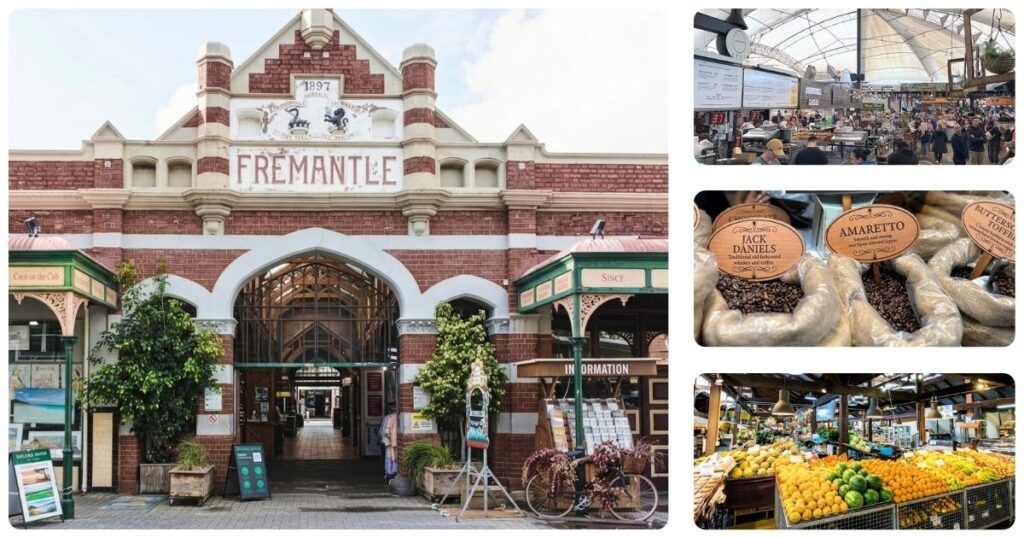
Walk through the Hall as it approaches 9am on a Saturday and you’ll find stallholders still arranging produce from apples stacked into careful pyramids, flowers being misted, to handmade leather goods catching the light through the old skylights. Fremantle Markets have operated from this same Victorian-era building since the late 1890s, and that continuity is what separates it from a curated “artisanal market” experience. People depend on Saturday trade here, and locals shop for their groceries alongside the tourists browsing crafts.
Who It Suits
Anyone wanting fresh, often WA-grown produce, home cooks who like buying seasonally, craft and gift shoppers after handmade rather than mass-produced goods, and families looking for an easy, low-pressure browsing morning. It’s less suited to anyone in a rush; the market rewards wandering and talking to stallholders rather than a quick sweep.
History
Premier Sir John Forrest laid the foundation stone on 6 November 1897, and construction finished in 1902 at a cost of £8,268. For decades the market functioned as a genuine wholesale food hub before its role shifted through the mid-20th century; use declined through the 1950s and 1960s and the market effectively closed around 1970. Fremantle City Council restored the buildings, and the market reopened on 31 October 1975, marking its 50th anniversary in 2025. The Hall’s skylights and the open-air Yard both still frame the shopping experience much as they always have.
What’s Actually There
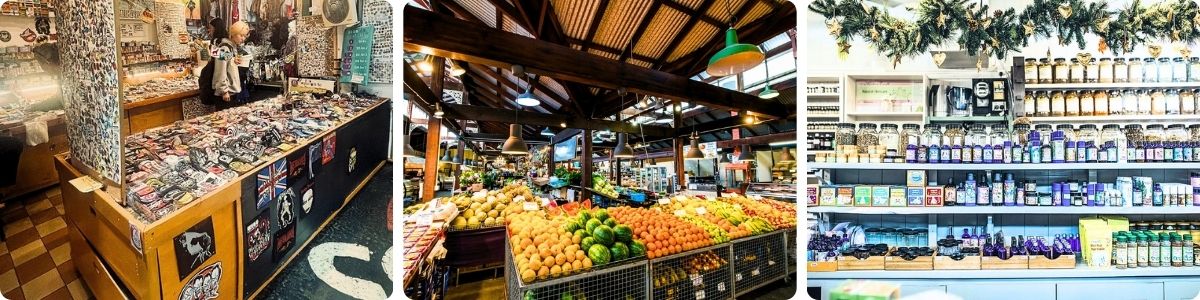
More than 150 stallholders operate across the market, though not all trade every open day; weekends bring the fullest range. Fresh produce (vegetables, fruit, herbs and flowers) forms the core, alongside seafood, meat and dairy from smaller producers and specialist butchers rather than industrial suppliers, plus a strong bakery section for anyone after proper sourdough over supermarket bread. Beyond food, expect genuine arts and crafts, independent fashion, books and secondhand goods, with quality varying stall to stall since some vendors are professional makers and others hobbyists.
Prices for fresh produce are broadly comparable to supermarkets and sometimes cheaper in volume; meat, dairy and craft items generally run higher than mainstream retail, reflecting smaller-scale production.
Practical Details
The market trades Friday, Saturday, Sunday and public holidays, closed Monday to Thursday otherwise. Hours differ by day and section: the Yard opens at 8am and the Hall at 9am on all trading days, with Friday running later, to around 8pm, while Saturday, Sunday and public holidays close earlier, around 6pm.
Confirm current hours at fremantlemarkets.com.au before visiting, since they’re occasionally adjusted. Entry is free; you pay only for what you buy. Most stallholders take card as well as cash these days, but it’s worth carrying $20 to $50 in cash as backup for smaller vendors.
Toilets and public seating are available on-site, and the surrounding streets have paid parking, though the train is generally the easier option given Fremantle’s tight parking.
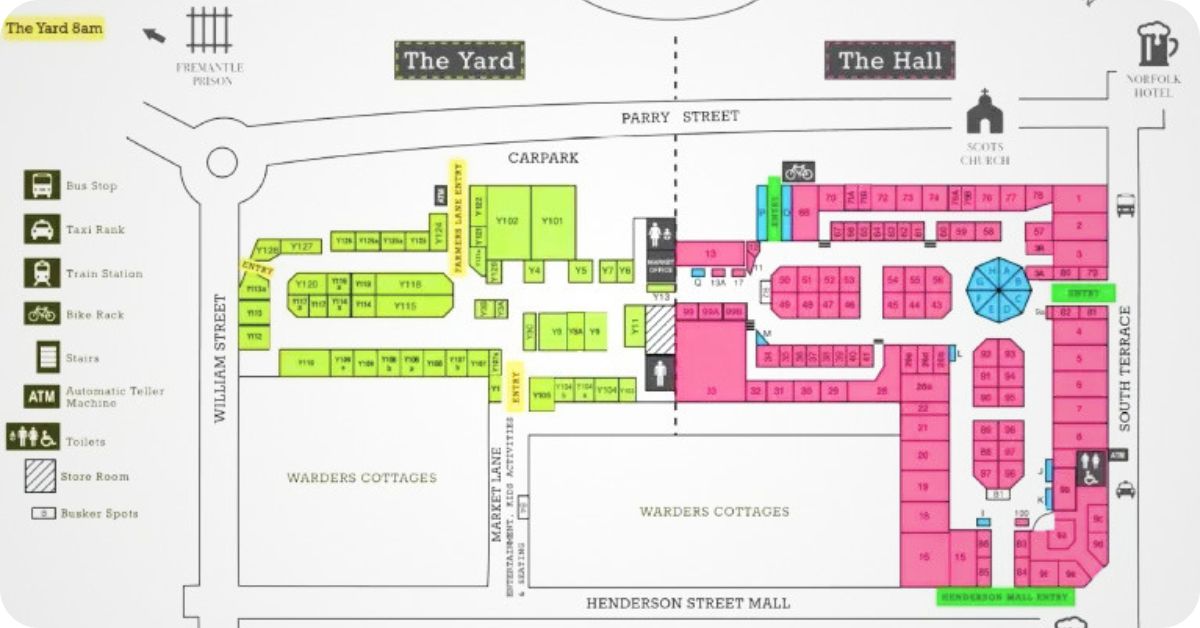
Market Map & Floor Plan
Getting There
The Fremantle Line train from Perth Station runs roughly every 20 minutes and takes about 30 minutes to Fremantle Station, at the southern end of the line. From the station, it’s an 800-metre, roughly 8 to 10-minute walk along Market Street and South Terrace to the market entrance at the corner of South Terrace and Henderson Street, or you can pick up Fremantle’s free CAT bus from right outside the station to save the walk and continue on to the prison, museum or other heritage sites nearby without backtracking on foot.
Driving takes about 25 minutes from the CBD in light traffic, though parking can be tight, especially on weekends, which is the main reason most visitors default to the train.
What Locals Know
Regulars arrive close to opening, particularly on Saturday, both for the best produce selection before things sell out and to beat the mid-morning crowds that build from around 10am to 2pm. Locals also know Friday trades a smaller stallholder turnout for a noticeably quieter, more relaxed browsing experience, useful if crowds aren’t your thing, and that the market’s later Friday closing (around 8pm) makes it a workable after-work stop rather than only a weekend morning outing. Asking stallholders directly where produce comes from is standard practice here rather than an awkward question; most growers are happy to talk about what’s in season and what’s worth buying that week.
Combine With Fremantle
Fremantle Prison is a short walk away for a UNESCO World Heritage heritage stop, the Fremantle Museum and Fremantle Arts Centre are both close by for further local history and culture, and South Terrace’s Cappuccino Strip surrounds the market with cafes and restaurants for lunch. The Fishing Boat Harbour, about an eight-minute walk, is the natural finish for fresh fish and chips with water views if you’re building a full Fremantle day around the market.
Is It Worth It?
Yes, and it’s genuinely one of the better half-day options in greater Perth precisely because it isn’t purely tourist-oriented. Go early on a Saturday or Sunday for the fullest stallholder range and best produce, or a Friday if you’d rather trade some variety for a calmer visit, and pair it naturally with Fremantle’s other heritage sites for a fuller day.
Frequently Asked Questions
What are the opening hours?
Friday, Saturday, Sunday and public holidays. The Yard opens at 8am and the Hall at 9am; Friday runs later (to around 8pm), while other trading days close around 6pm. Confirm current hours before visiting.
Is entry free?
Yes, you only pay for what you buy from stallholders.
How many stallholders operate?
More than 150, though not all trade on every open day; weekends have the fullest range.
What’s the best time to visit?
Close to opening on Saturday or Sunday for the widest stallholder range and freshest produce, or a Friday for a quieter visit with a smaller but still worthwhile range.
Is it family-friendly?
Yes, with a casual, low-pressure atmosphere, seating areas, and nearby cafes to break up a visit.
How long should I spend there?
1.5 to 2 hours for a proper browse, longer if you’re combining it with nearby Fremantle attractions.
How do I get there from Perth?
Train is easiest: the Fremantle Line runs every 20 minutes and takes about 30 minutes from the CBD, followed by an 8 to 10-minute walk from Fremantle Station, or a short hop on the free Fremantle CAT bus from outside the station.
The Close
Fremantle Markets earns its reputation the honest way: continuous trade since a 1975 reopening (and roots back to 1897), a genuine mix of local shoppers and visitors, and stallholders who depend on the market rather than performing for tourists. Go early, bring cash as backup, and build a proper Fremantle day around it with the prison, museum or harbour nearby.